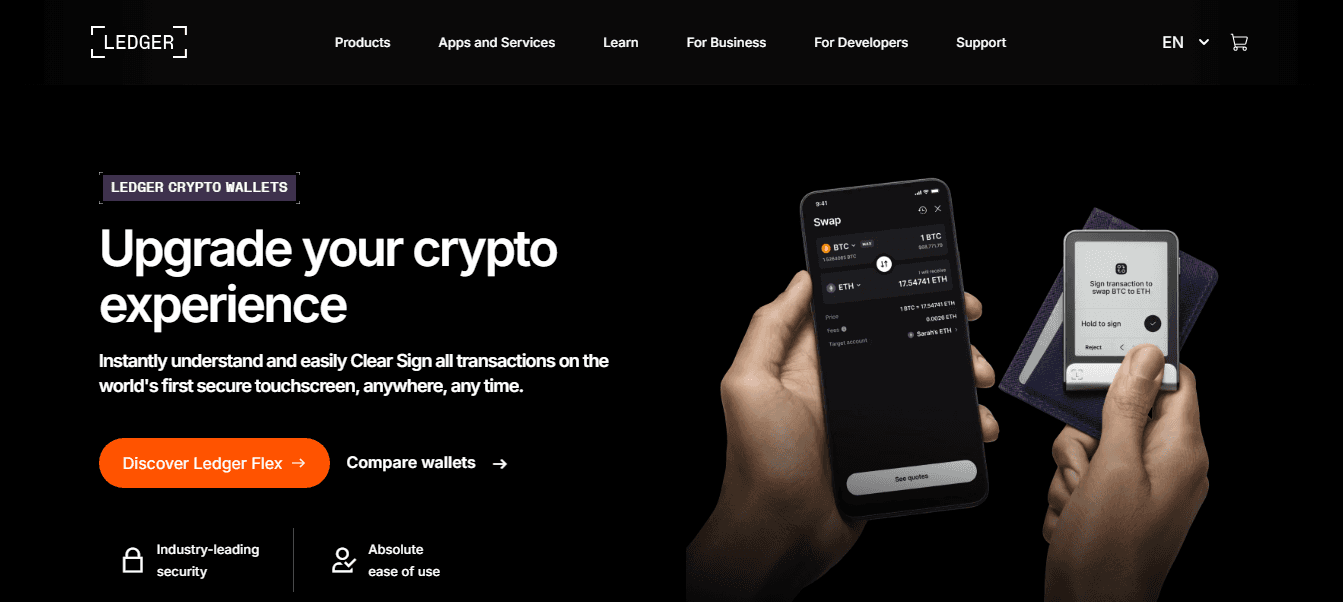
Ledger Login: A Fresh 1200-Word Guide to Accessing Your Ledger Wallet Securely
Logging into a Ledger hardware wallet is not like signing into a typical online account. There are no usernames, no cloud passwords, and no centralized dashboard controlled by a company. Instead, the entire login process is built around local authentication, physical verification, and secure hardware. Understanding how Ledger login works is essential for anyone using Ledger to manage digital assets. This guide provides a clear and updated explanation of Ledger login, from the fundamentals to the step-by-step workflow, common challenges, and essential safety practices.
Understanding the Concept of Ledger Login
When people talk about “Ledger login,” they often imagine a normal web-based login page. However, Ledger wallets take a completely different approach. Your identity on Ledger is validated by:
Your hardware wallet
The PIN you create on the device
The Ledger Live application
Cryptographic authorization handled directly by the secure chip inside the device
Because of this unique system, there is no login form and no online credentials to remember. You access your assets by confirming your identity on the device itself, not on the internet. The entire structure is designed to remove online vulnerabilities while making the user fully responsible for their own keys.
This means that logging in is more about unlocking your hardware wallet and proving that you control the keys, rather than authenticating with a remote service.
How Ledger Login Works Through Ledger Live
Ledger Live is the software interface used to interact with your wallet. Whether you want to check balances, add accounts, receive crypto, or send tokens, everything starts with a simple but secure login sequence. Below is a clear walkthrough of what happens during Ledger login.
1. Power On and Unlock Your Ledger Device
Begin by connecting your Ledger device to your computer or mobile device. After powering on, you must enter your PIN. This PIN protects the device from unwanted access and ensures that only the person who knows the code can continue.
2. Connect the Device to the Ledger Live App
Once the device is unlocked, launch Ledger Live. The app automatically checks for a connected Ledger wallet and verifies that it’s legitimate. This step prevents fake or altered devices from being used.
3. Confirm Device Authenticity
Ledger Live may prompt you to confirm a verification code on the hardware wallet. When you approve this, the app knows it is communicating with a genuine Ledger device.
4. Access the Main Dashboard
After authentication, you’re taken to the Ledger Live dashboard. From here, you can manage assets, add new cryptocurrencies, stake tokens, install apps, or review previous transactions. No passwords or web accounts are involved—everything relies on the physical wallet and cryptographic confirmation.
This login method is intentionally straightforward but extremely secure. It combines ease of use with a hardware-based security model that protects users from remote theft, phishing, and online account takeover.
Why Ledger Login Is More Secure Than Traditional Web Logins
Traditional online platforms rely on passwords stored on servers, which can be exposed during data breaches or targeted by hackers. Ledger eliminates this problem through a series of design choices:
1. Your Private Keys Never Leave the Device
The Ledger hardware wallet stores your private keys in an isolated secure chip. These keys are never uploaded, synced, or shared with Ledger Live. Every transaction is approved by the device itself.
2. No Centralized Login Database
Since Ledger does not manage user accounts online, there is no centralized database that can be hacked. Hackers cannot steal credentials from a server because they simply do not exist.
3. Physical Confirmation Is Required
Any important action—including sending crypto—is confirmed directly on the hardware wallet. Even if malware infects your computer, it cannot approve actions without your physical approval.
4. Minimal Attack Surface
Without a browser-based login, users are protected from many common threats, such as phishing websites designed to steal login credentials.
This unique system is why many experienced crypto investors prefer Ledger for long-term storage: it prioritizes user control and minimizes exposure to online risks.
Common Problems During Ledger Login and Their Solutions
Most Ledger login issues are simple to solve. Here are the most common situations and how to address them quickly.
1. Device Not Recognized by Ledger Live
If Ledger Live fails to detect the wallet:
Ensure the USB cable is firmly connected
Try a different port
Use the official cable if possible
Restart both the app and the device
Check for firmware updates
Connection issues are the most frequent login problem and usually relate to cables or outdated software.
2. Forgotten or Incorrect PIN
The Ledger device will reset itself after multiple incorrect attempts. This is a deliberate security feature. If this happens, you will need your recovery phrase to restore your wallet on the device after it resets.
3. Bluetooth Connection Issues on Certain Devices
For Bluetooth-enabled Ledger models:
Turn Bluetooth off and then on
Restart the mobile app
Re-pair the device from the Bluetooth settings
Ensure you are close to the phone or tablet
Bluetooth problems are usually environmental and easy to resolve.
4. Ledger Live Failing to Load or Crashing
This may be caused by outdated versions or corrupted installations. Uninstalling and reinstalling the app typically fixes the issue. Keeping both firmware and Ledger Live updated is essential for smooth operation.
The Recovery Phrase: The Core of Ledger Access
While the Ledger PIN unlocks the device, the recovery phrase restores ownership entirely. This phrase is a list of words generated when you first set up your Ledger wallet. It acts as your final backup and the fundamental credential required to recover your assets.
Key principles include:
Never share your recovery phrase
Never enter it on a computer or website
Store it offline only
Keep multiple secure copies if possible
Protect it from fire, water, and theft
The recovery phrase is not part of the normal login process, but it is essential for access if the device is ever lost or resets. Anyone who has your recovery phrase can recreate your wallet on another device and gain full access. Because of this, storing it securely is just as important as learning how to log in.
How to Maintain a Safe Ledger Login Routine
A secure ledger login process is shaped by good habits. Here’s how to strengthen your everyday security:
1. Always Use the Official Ledger Live Software
Only the official app can safely authenticate your Ledger device. Avoid third-party programs that claim compatibility.
2. Keep Everything Updated
Ledger regularly releases firmware updates that improve stability and security. Avoid logging in with outdated software.
3. Use Trusted Devices for Login
Avoid logging in on shared, public, or unknown computers. Use your own devices that you keep up to date.
4. Verify Transaction Details
Never approve a transaction on your Ledger device without reading the details shown on the device screen. This ensures no malicious software can mislead you.
5. Protect Your PIN
Memorize your PIN or store it in a safe offline location. Do not store it in digital form.
Following these practices ensures that your Ledger login experience remains safe and reliable over time.
Why Understanding Ledger Login Matters for Crypto Users
Crypto ownership comes with personal responsibility. Unlike traditional financial systems, where customer support can help recover accounts, blockchain assets are controlled solely by cryptographic keys. Ledger’s login system is designed to protect those keys above all else.
By understanding how login works, users gain several advantages:
Greater awareness of how their assets are secured
Better protection against phishing or device tampering
Confidence in restoring access if something happens to the device
A clearer grasp of how self-custody actually functions
Ledger login is not just a technical procedure—it’s a cornerstone of digital asset sovereignty. It teaches users to value security, decentralization, and personal control.
Conclusion
Ledger login is unlike any traditional login system. It is rooted in self-custody, physical authentication, and hardware-based security. By unlocking your device with a PIN, connecting to Ledger Live, and verifying actions on the hardware wallet, you gain secure access to your crypto assets without exposing your keys online. Understanding this unique login process empowers users to manage their assets with confidence and protects them from common digital threats.